
Finding Real Care: My Journey to Direct Primary Care
I’m sharing two health-related posts in hopes of helping someone who may be in a similar situation — or who is caring for someone who is. This first post is about my path to finding a solution to my healthcare that actually transformed my life. The second is about a medical situation that occurred to someone living in rural Maine.
Please note: This post reflects my own personal health experience and is not medical advice or personalized guidance. Always consult a qualified healthcare provider for your own health decisions.
When Something Feels Wrong
In 2022, during my annual physical with a doctor at a medical group practice here in Maine, the nurse who handled the first part of the appointment asked the standard questions. I mentioned that the migraines I’d been experiencing were getting worse — I was waking up almost daily to full-blown migraine attacks.
As anyone who has suffered from migraines knows, you don’t just lose the hours during the attack. There’s also the migraine hangover to get through. The rescue medication I had been prescribed often left me with full-body pain — it may have helped the migraine, but the aftermath came with its own recovery.
When the doctor entered the room, there wasn’t much of a hello or how are you. She was giddy and said, “Let’s start you on Gabapentin for those headaches.” These weren’t headaches — but when you’re in that kind of pain, you’ll take whatever is offered. Especially when it’s pushed on you with enthusiasm. Of course I was willing to try it. But there wasn’t much discussion about what the medication actually was or what it meant to take it — just a thin layer of excitement that this was going to solve my problem and give me my life back.
I remember leaving that appointment and calling my parents. I said, “I feel like I just left the cartel of America.” There was something that didn’t sit right. I did try the medication, and when it didn’t work, the recommendation was simply to take more. When that also didn’t work, the implication was that things could be worse without it. At that point, it didn’t feel like there were other options.
The Moment I Knew
Then, during my 2024 annual physical, I asked a question about my thyroid. I had nodules that had previously required biopsies, and no one had brought it up, so I asked. The doctor — the same one from 2022 — said, “Oh, we’re waiting on lab results.” I said, from more than a decade ago? The last biopsy was in 2012.
That was the moment I knew I had to find something else.
None of it made sense. I was paying for insurance that covered the appointment, but because I asked that one question, I received a bill for hundreds of dollars — because it was considered outside the scope of an annual visit. When I questioned these charges, I was sent a flyer explaining this could happen. Information that had never once been presented to me.
This wasn’t care. This was a bad relationship.
Discovering Direct Primary Care
I began researching and stumbled upon Direct Primary Care (DPC). There were limited options near me, with long waiting lists. I kept it on my radar. Then one day I saw that a new practice was opening in Windham, Maine: 4Health Family Medicine.
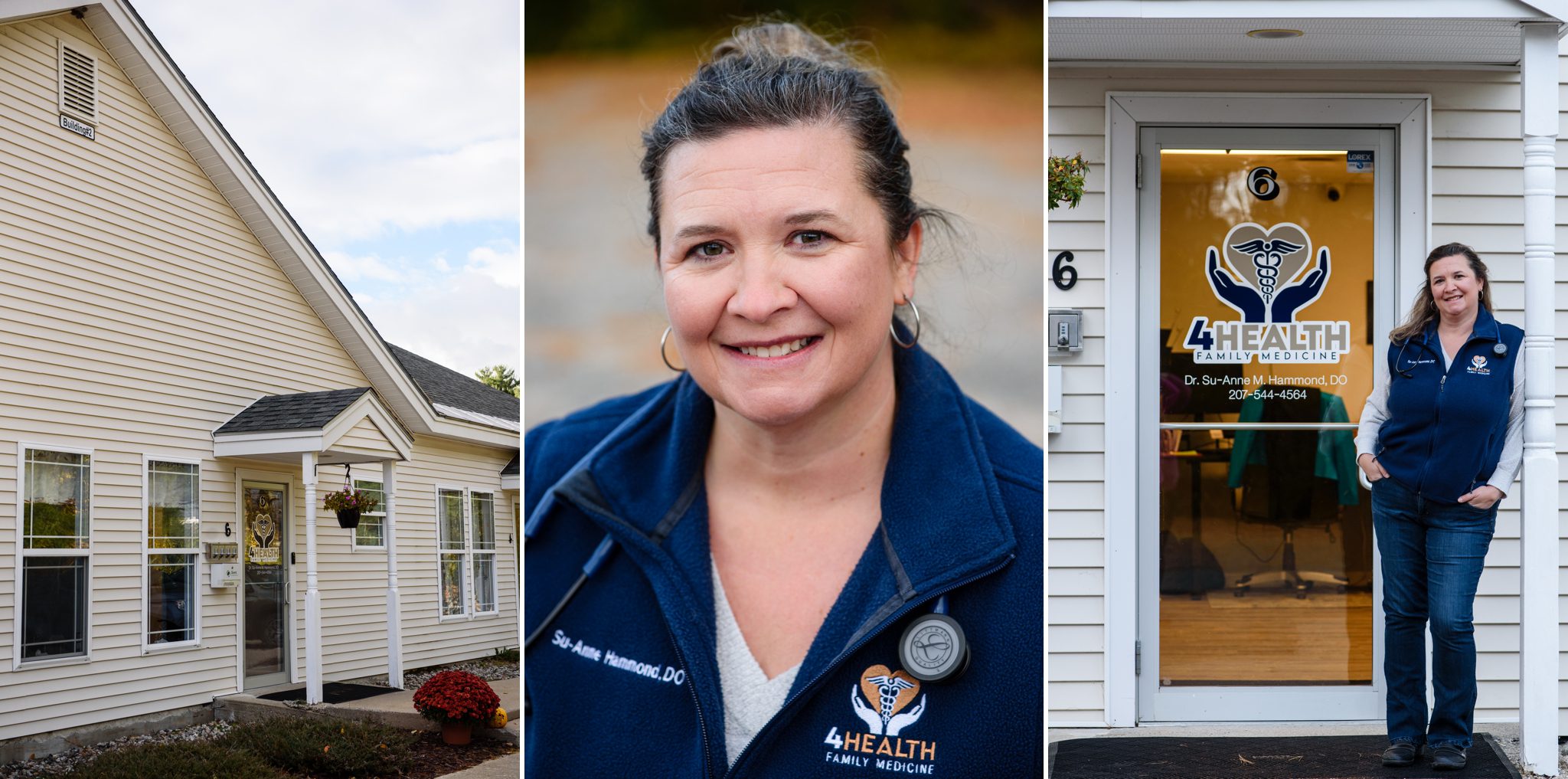
I requested a consultation with Dr. Su-Anne Hammond, DO to see if it would be a good fit — and I ended that meeting telling the doctor that I loved her. For the first time in a long time — let’s face it, maybe ever in healthcare — I felt safe and heard. That is not a small thing. I immediately proceeded to become a member and this began my new beginning in better healthcare.
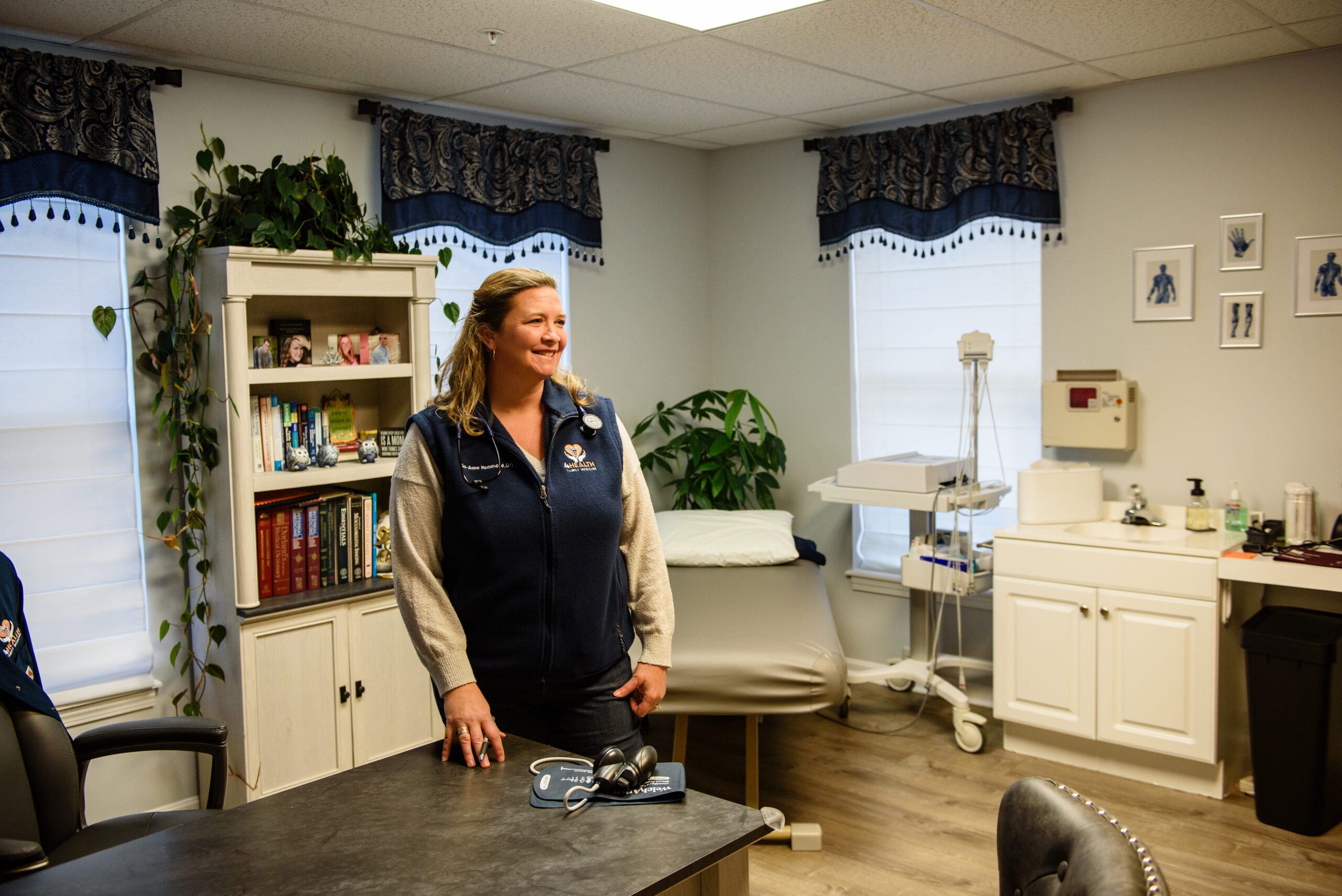
During my first appointment, we talked through my medications. One I had been put on around 2010 was birth control — prescribed by a different doctor from that same medical group, in part, because I told a doctor that I felt rage when I vacuumed. I know it sounds like a strange thing to say, but it was completely real — and if you’ve ever felt inexplicably overwhelmed by ordinary tasks, you might know exactly what I mean.
Dr. Hammond didn’t miss a beat. She said, “Oh, that’s sensory issues.”
She nailed it immediately.
I also experience this with things like putting dishes away. Now I wear noise-canceling headphones and have found so much peace with certain tasks that I actually do not mind doing those mundane things — I can’t fully explain what a difference it has made.
The Turning Point
During my first year as a patient with Dr. Hammond, she prescribed a migraine rescue medication that actually worked. I’m talking about a miracle. Then, we began removing medications. Gabapentin was the first to go — the only change I felt was full-body pain for a bit, which she explained had likely been masked by the medication.
Then birth control was removed.
The migraines faded. The migraines that shifted my career away from doing something I loved, limited me in countless ways — that I’d been dealing with for over a decade. I still get one or so a month, but they are essentially gone. I’m at the point where I no longer need a rescue medication. That is life-changing.
The difference is actual care.
It’s like leaving a terrible relationship. When you find a good one, you are astonished at how different it can be — and it almost takes time to believe it. It allows for true gratitude.
She follows up. She checks in. She does — not a different person you’ve never met. When you’re part of a large medical group, the patient portal often connects you with someone new each time. This is not that.
The Cost Reality
One thing I didn’t fully anticipate was how DPC would change the cost of my care. A standard lab I needed annually — one that cost me hundreds of dollars even with insurance — now costs under $10. Medications that ran nearly the same price with insurance are now comparably affordable through the practice.
When I sat down to review my health insurance options for 2026, the numbers told a story I couldn’t ignore. Health insurance had shifted into a range I could no longer afford. I made the decision to go without health insurance this year.
I won’t pretend that it isn’t a gamble. It is. But here’s what I know: with DPC, I have care. I have access to the best care I have ever had — better than anything I experienced with insurance.
Reading through Dr. Hammond’s own words for this post, I noticed that her exit from the traditional system mirrors my patient experience in its own way — knowing something wasn’t right, and choosing to build something better. Anyone in her care is fortunate.
In Her Own Words: Dr. Su-Anne Hammond, DO — 4Health Family Medicine, Windham, Maine
The following is written by Dr. Hammond.
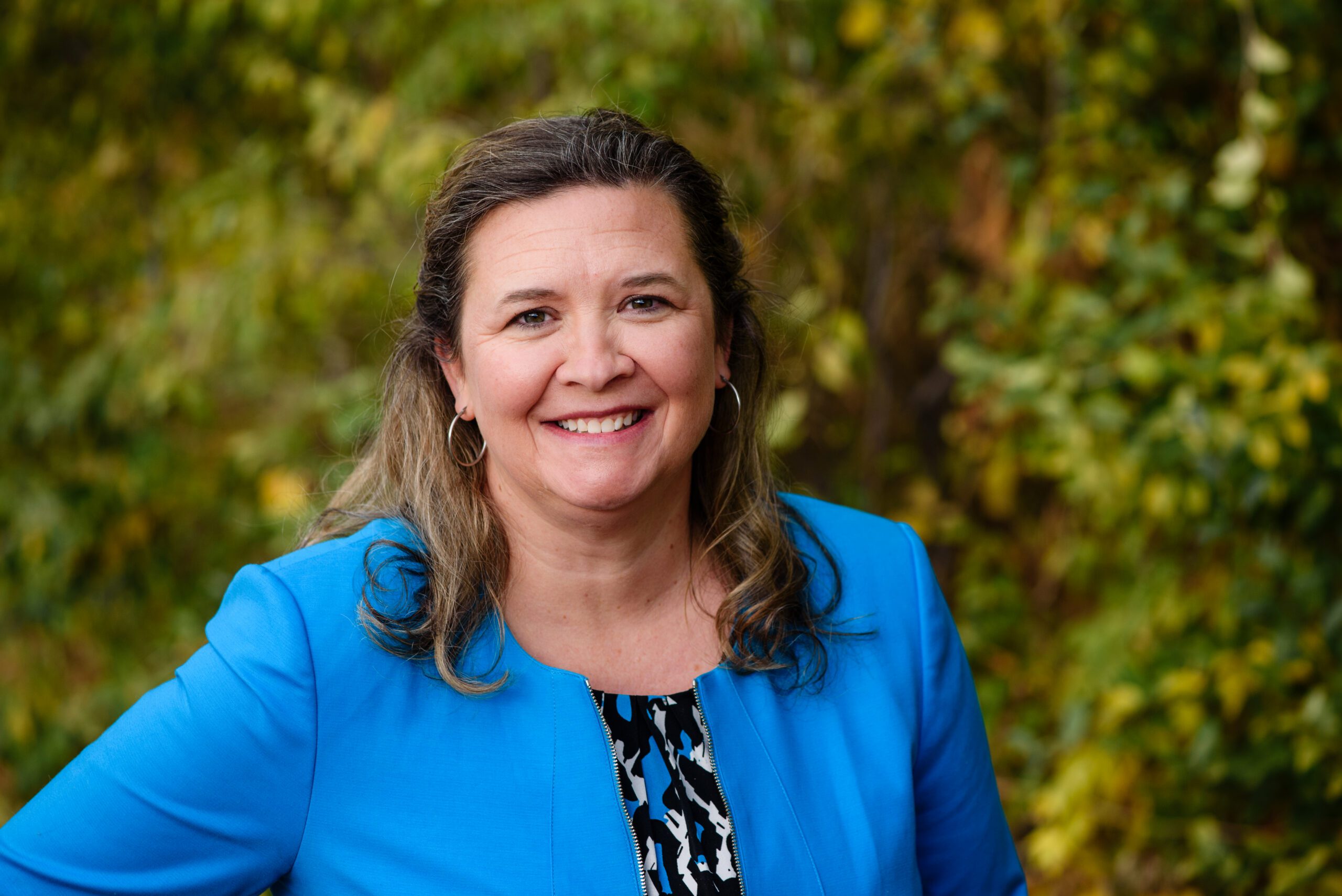
In 2023, like many other physicians, I was feeling overwhelmed — overwhelmed by the volume of patients in and out each day, by the tasks that built up in my inbox, by the boxes that needed to be checked to get credit for our work. The pressure was always on to do more, and I had reached a point where I was spending so much time apologizing to my patients that I knew something had to change.
After more than a decade in leadership trying to improve the system for patients and healthcare workers alike, I felt that the change needed to come from a different direction. I spent more than a year researching options — concierge medicine, academic medicine, and Direct Primary Care (DPC).
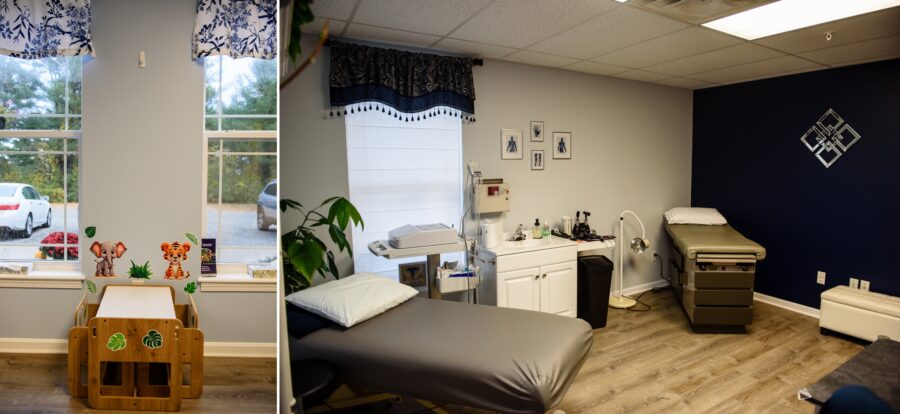
DPC sparked my interest right away, especially after I toured a colleague’s office and got that feeling of being in an old-school doctor’s office. It was warm and welcoming, with magazines on the table, toys, and even a couple of dogs walking around. That visit convinced me: the change would be to go back to what I wanted to do in the beginning — take care of people.
DPC is growing by leaps and bounds across our state and our country. There’s a saying in DPC: “If you’ve seen one DPC, you’ve seen one DPC.” We’re each a little different. Having our own practices lets each physician practice within their comfort zone and incorporate the type of care they’re most passionate about.
In my DPC, I see patients of all ages. I love being part of growing families with newborn care, and I take pride in the time I spend with families working through the challenges of end-of-life care. 4Health Family Medicine embodies old-school medicine — physicals, medication management, sick visits, joint injections, skin procedures, and much more. Variety is the spice of family medicine, and I get to do it all.
How it works: Patients at 4Health Family Medicine pay a monthly or annual fee. The fee is not based on the number of visits — it’s about having direct access to me. Most patients have a one-hour annual exam, routine testing, and are seen for acute illnesses, medication management, and lifestyle management. Patients also have access to very affordable medications and labs, which allows me to make informed decisions about their care without needing insurance approval.
Many patients at 4Health still carry regular insurance, which they use for referrals or imaging. I work with insurers to get tests approved and obtain prior authorization for medications when needed. DPC doesn’t replace insurance — it gives patients a choice about when to use it and when it’s more affordable not to.
Opening my own office has been even better than I imagined. I now have the time to truly hear each patient and go over diagnoses, treatment options, risks, and benefits together. But the biggest surprise has been the communication. Every day, I’m in constant contact with patients via phone, text, and email. The ability to check in with a patient and ask if they’re feeling better is invaluable. That direct communication is a major key to patients feeling supported — and to getting better with their doctor by their side every step of the way.

The story behind the “memorial wall”. Dr. John Painter and his wife Joanne Painter, gave those items to me. Dr. Painter was a primary care family doctor I met in Raymond, Maine, when I was in medical school and he was an amazing, kind, caring physician who I immediately connected with. The photo is one he took at the Philadelphia College of Osteopathic Medicine in the 1970s.
4Health Family Medicine is located in Windham, Maine. [website] At the time of this post, there is a waiting list and if you’d like to explore working with Dr. Hammond, please visit this link: https://www.4healthfamilymedicine.com/wait-list
A note on process: I used AI as an editing partner on this piece — to help shape the language and structure. The story, the people, the photographs, and the reason this exists are entirely my own.